• Innovative Strategies That Create More Profits

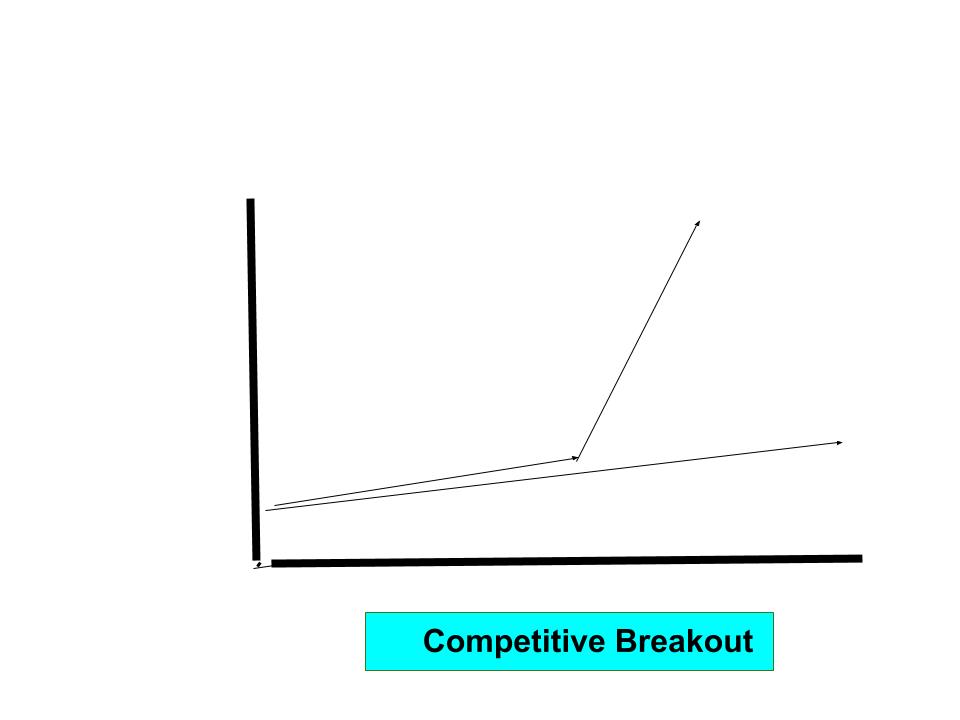
How To Breakout From Destructive Competition

Many companies today face a very competitive market and are looking for a way out to break out. When every competitor is focused on short-term tactics (ie, special sale, drawing for a prize, etc.) the solution only lasts until one of the competitors comes up with a new tactic.  

Self-destructive competition is one of the problems W.Chen Kim and Ranee Mauborgo take on with their book, “Blue Ocean Strategy”.  For example, if your company is experiencing: 

  • Margins shrinking
  • Competition growing more intense
  • Competition driving commoditization
  • Rising costs

Too many companies focus their strategic thinking on the competition which puts the competition, not the customer, at the core of their strategy. Stop benchmarking the competition and responding to their strategic moves because it means you look more like the competition. 

Instead, put your strategic focus on the buyer and innovate new ways to deliver more value. Note: just because a  competitor is doing something, doesn’t mean it of value to buyers.

Think about these questions:  

  • Which features of your product or service could be dropped because they are not valued by the buyer?
  • How much would this reduce your costs?
  • What products or services could you add with those savings that would have value to the customer?   

If you know someone struggling in an overly competitive market, tell them about this post.  Maybe it will help. 

How To Write Headlines

What makes a headline go viral?

Following are some suggestions from Optinmonster.com

People want to share, want to increase the quality of their relationships with others, and want to increase their self-esteem and standing with their peers.

There is a magic 3-word phrase “will make you ____” This states that the topic will have an impact on you and often an emotional one.

There are five basic types of headlines that go viral


1 List posts — 50 Smart Ways To Segment Your Market

2 How to posts — How to optimize your site for the holidays

3 Resource posts — the ultimate guide to a simple option vs a double option — which is better?

4, Question post — How long should it take to earn revenues?

5. Heart-to–heart posts — An open letter to writers struggling with their first book


Now, if you add an infectious agent to those headlines your chances of going viral are much greater because they trigger emotion.  For example awe, anger, anxiety, fear, joy, lust, surprise, shock.

Examples

40 belief-shaking remarks from a ruthless nonconformist”

Type: list post

Infectious agents: awe, anger, surprise, shock, anxiety

Belief-shaking — challenges you by stating its content will shake your beliefs

Ruthless — image of someone who doesn’t care

Nonconformist — someone unafraid and nonconventional


“How to hit 1,000,000 visitors in a year by blogging”

Type: How to

Infectious agents: awe, surprise, shock

“1,000,000” who wouldn’t want that. Even if you are skeptical, you will want to check

“In a year” desirable deadline

“Blogging” pinpoints its target audience and their biggest desire

Net: promise the desired result and a timescale for achieving it,


“Where to find free images”

Type: Resource post

Infectious agents: Awe, joy

Net: look for common questions or problems that people have, and write a headline that directly answers their question or solves a problem.


“On dying, mothers, and fighting for your ideas”

Type: Heart-to-heart

Infectious agents: awe, anger, surprise, shock, fear

“Dying” — strong emotive word, it congers up images in people’s minds

“Mothers” — emotive whatever your relationship with mother 

“Fighting” — emotive, congers up images in people’s minds of struggle, aggression

Net: fighting for your idea suggests motivation and inspiration 


“Are you good enough?”

Type: Question

Infectious agents: anger, anxiety, fear, surprise, shock

Net: are you good enough to challenges people. It asks a question everyone asks themselves, Ask a big question that drums up deep, human desires.


How to start writing viral headlines

1 Get to really know your audience

2 Know where your audience hangs out (media,etc.)

3 Discover your audiences’ infectious agents (follow them on social media, what are they sharing, any patterns in words and phrases? (topics, headlines, links)

4 Lay in those infectious agents.
Why Your Strategy’s General Policy Is Critical

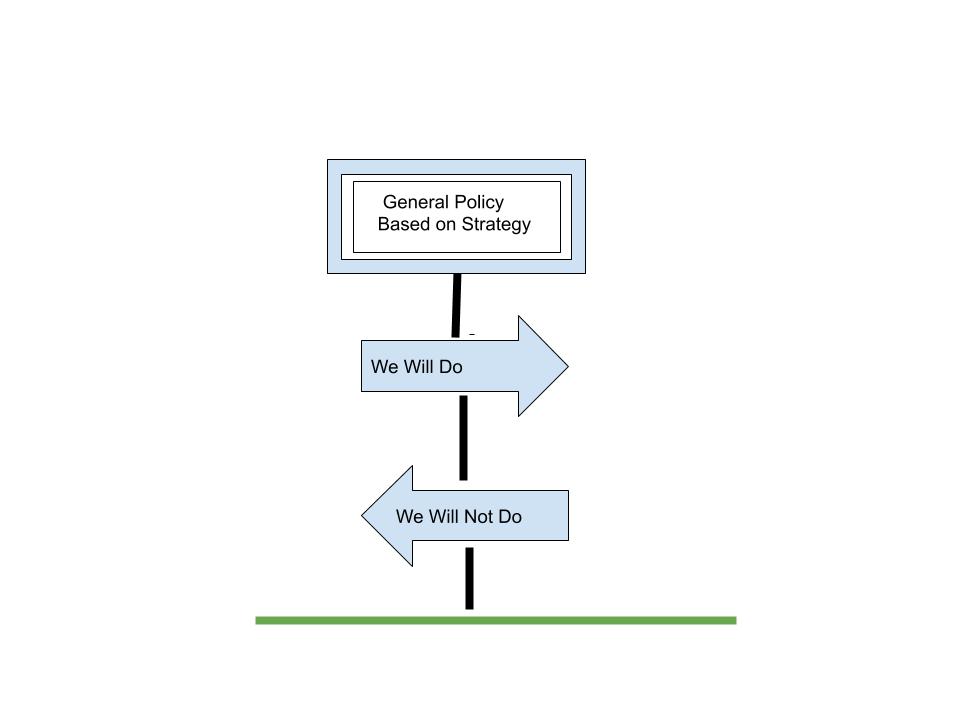
SnapDeal is an Indian company that is very successful in selling high-transaction products to value-conscious customers. They have been successful because they adhered to the General Policy of their strategy. What they were willing to do and not willing to do. Sometimes the decisions were very difficult.

While merchants everywhere were touting the latest cell phone, they decided not to sell them because they could not make the transaction efficient enough to be profitable. Many people told them not selling cellphones was a mistake. They didn’t rule out selling cellphones, they ruled out selling cellphones until they could do it efficiently and make a profit.

Based on their strategy of selling to the value-conscious customer, their General Policy was if they were unable to make the transaction profitable, they would not sell the product regardless of its popularity and selling price.

By sticking to their general policy, it did not turn customers away. In fact, it solidified the  “Positioning” in their customer’s minds as a retailer of value products. Today the company is thriving in a very competitive marketplace,

This story illustrates the value of having a long-term strategy and adhering to the strategy’s general policy and coherent action.

Are you staying on the path laid out by your strategy?

The Perfect Value Proposition

Sarah LaFleur of MM LaFleur knew she had the perfect value proposition. Well designed, quality women’s clothes at affordable prices sold through her online platform. The only problem was that this was her definition of what people wanted. She was relying on direct mail marketing and Instagram. After a year, she was in trouble, She had lots of inventory, and her conversion rate was meager.

Then she started paying attention to customers and found out that while they liked her clothes and pricing, they still wanted to see and feel the clothes before deciding to buy. So, she put together a box, the “Bento Box”  of six clothing items, based on information from earlier email responses and told the prospect to look at the clothes, no-obligation, send back the clothes they didn’t want; and they would only be billed for the clothes they kept. Bingo! Her conversion rate went from 2% to 8%, and she is now doing great.

This may be hard to believe, but every zip code has hundreds of different mindsets, and many may not match yours, and maybe fewer still match mine. 🙂 The way to product-market fit is customer-centric, not product-centric.


Positioning: An Important Way To Differentiate Your Brand

SaaS companies are no longer unique, and most have many SaaS competitors with similar services.

This makes it difficult to break out and get attention.

Getting attention is similar to the problem marketers had in the ‘70s and ‘80s

when getting through the media noise was almost impossible.

That’s why its time  to take a look at your competitive position in the minds of buyers,


Marketing ROIs were getting expensive. Then, JackTrout wrote a book about “Positioning.”

The idea of positioning is to find and take a unique position in the customer’s mind. 


For example, many car rental companies were fighting each other at that time. 

Hertz was the acknowledged leader.

Avis realized that service was an essential outcome people wanted and a position no one owned.

So, they positioned themselves in the minds of consumers as being  #2,

because “We Try Harder” propelled them into number 2 and above the crowd.


Many SaaS companies are facing that same competitive environment today.

Therefore it’s time to take a look at your competitive position in the minds of buyers,

In an article by Yasmine de Aranda from Martet8, she stated you must ask the critical question, “

Why should a prospect choose you over the competitors”?

You need a compelling reason for them to buy from you.

Remember, they don’t care about your awesome company until they care about what you can do for them.

The right position will increase responses and conversions, a shorter buying cycle, higher retention, and scalability.

Some information you will need to create your positioning:

  • Who are your potential customers?
  • What outcomes are they trying to achieve?
  • Why are your competitors unable to achieve these outcomes?
  • How will your solution make your customer’s life better?


Don’t just write down the answers. Ask your customers for the answers.

We help turn ideas and startups into businesses by working with you as a consultant or

by guiding you through the development process with our online ClickVisor subscription-based platform.

Customer-Centered: How Can I Help You?

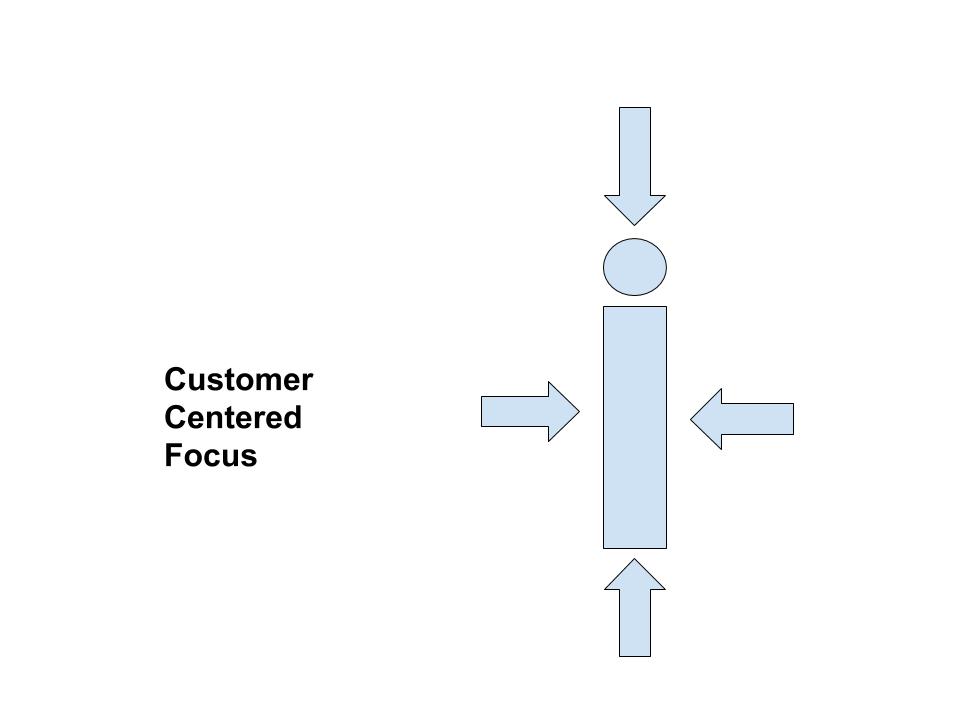
In today’s world, most people realize that you must put the customer first, not the product. ?

But does that mean that you accept everything the customer tells you? NO, 

But it doesn’t hurt to be customer-centered and ask how can I help you.


According to David Stucer, in a Sales & Marketing article, you believe the customer when

he is talking about his issues. You do want to pay attention when they tell you their needs

when they tell you what’s broken in their lives, when they tell you why where they are hurting?


A customer comes to you or wants to do business with you because he wants you to solve his problem.

Therefore you have to show him how you can solve his problem or issue.


As David would say: “We hear you, we can help you, here is how.”

This is easier said than done, however. You can grasp the problem conceptually,

but most people have difficulty conceptualizing the solution.

Make it easy for them to see how you can solve the problem,


People often jump to talking about their company and their product or services.

That’s certainly not customer-centric. The customer doesn’t want to hear about your business;

they want to hear about how you are going to solve their problem.


You  will get a better reception if you focus on how your business can help him improve his business,

As David would say, “People are far less concerned with doing business with an awesome company

then they are about whether the company can solve their problem”,

What you want to do is consistently tell the story in every media,

about how you solved this problem and that problem related to their problem, market, or industry.  


Jim Zitek/Harbor Capital Group 

https://https://harborcapitalgroupinc.com/wp-content/uploads/2024/07/Braintopview-1.jpg.com 


How To Lead Your Audience Through Your Presentation

You are now ready to shift to your left brain and put the clusters you identified in a sequence and logical flow. You need to develop a pathway to determine the best order to present the clusters in your presentation.

Here is the problem you are facing. If you read something and you don’t understand it, you can go back to the book, find the material and reread it. When you are presenting, listeners can’t do that, so if they miss something, they have to start thinking and stop listening or interrupt you or give up. None of these options are acceptable.

Therefore, you have to become the navigator for your audience, make it easy for them. To do this, you have put these segments into a logical sequence to create a lucid and persuasive presentation. These techniques are called Flow Structures, and there re 16 of them to cover various types of presentations.

I can’t go through them all in this brief blog, but they are available on our platform or in Jerry Weissman’s book, “Presenting To Win.” They range from the simple like modular or chronological to issues/answers to rhetorical questions.

The flow structure you should use is the one that best fits your situation, your style, and helps tell your story. Remember, the mission is to get to Point B, the call for action. It’s more important that you select one or two flow structures to use. Not choosing a  flow structure risks that your presentation rambles along, confusing the audience.

Before choosing, ask these four questions:

  1. What is your Point B?
  2. Who is your audience, and what’s in it for them (what benefits)?
  3. What are the main clusters you need to address?
  4. Why have you organized the clusters the way you have?

Are You Open To New Ideas?


Since the industrial revolution, the business model of companies has been to build a “hit” product and then sell as many units as possible. The more product you sold, the more you reduced fixed costs (the factory was key), so you could compete on margin and maximize profits. The goal was profits this quarter and this year.

In Tien Tzuo’s book, “Subscribed,” he outlines how everything has changed since the internet, the cloud, and the platform.

Now, we can have a direct relationship with the customer, and consequently, the business model must change as well. Today, we have to start with the needs and wants of customers and create a service that delivers ongoing value to those customers.  

Companies need to turn customers into subscribers and develop recurring revenues rather than a one time or occasional buy. Financial attitudes have changed, as well. Because of scalability, rather than quarterly or yearly profits being the measure (looking backward), today’s financials are forward-looking. Use “profits” to scale the business and focus on growth. 

Customers have changed also. Today’s digital customers are also moving from products to services. They want to buy what the product does when they need it, not necessarily the product. They prefer outcomes over ownership. Think Uber. About 30 percent of millennials do not own a car but use Uber. Even Catipiller has a subscription option.

This internet-of-things (IoT) or Subscriber Economy is just beginning. If you want to be successful at it, you have to start with the customer, not the product,


How To Begin Preparing Your Story For Presentation

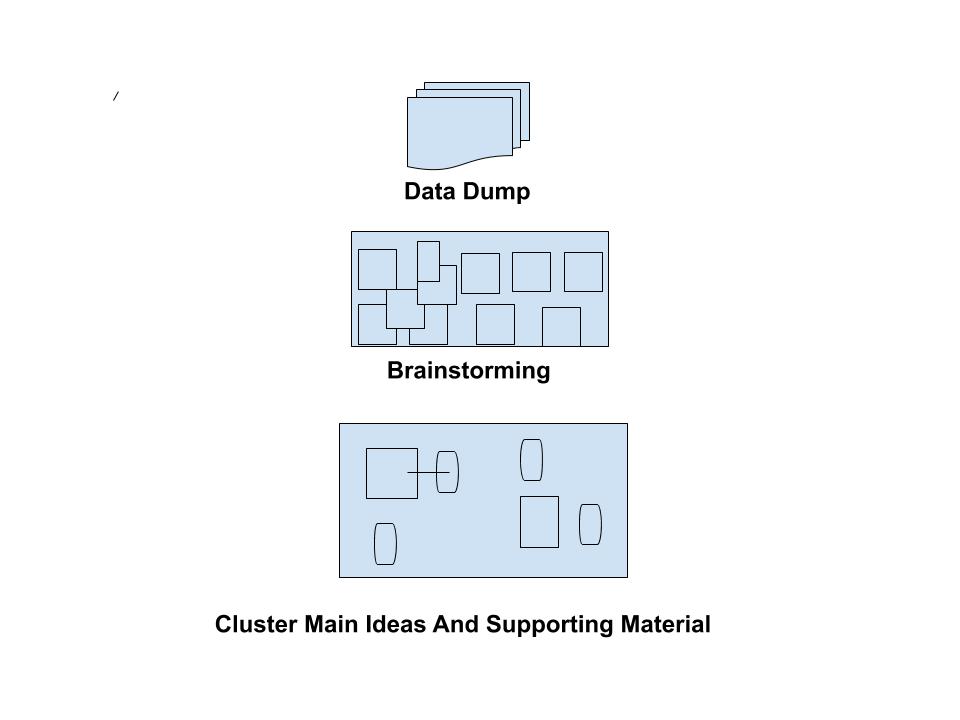
Anyone who has sat through a presentation knows what a data dump is. The presenter goes on and on in infinite detail until you want to cry or check your email. However, there is a time you will want to do a data dump, and its when you are preparing your story for a presentation.

Jerry Weissman, the author of “Presenting To Win,” has better use for all of this data. Instead of using it in your presentation, get out your whiteboard and set up a brainstorming session, and do your data dump there. You want to identify as much pertinent data as you can so you can create a story that will get your audience to yes.

First, start with the significant points that need to be covered. Then the supporting data for these significant points and connect the supporting data to the significant data points. When you run out of new data, you can begin to cluster the data around each major point.

You should end up with no more than 4 or 5 clusters for any presentation. Then evaluate and prioritize the data attached to each cluster. These four or five significant clusters and their supporting data form the basis and structure for your presentation. But, remember every point needs a benefit for the audience.

This approach will help keep your audiences off their cell phones.


Reverse How You Develop Your Business Model For Better Results

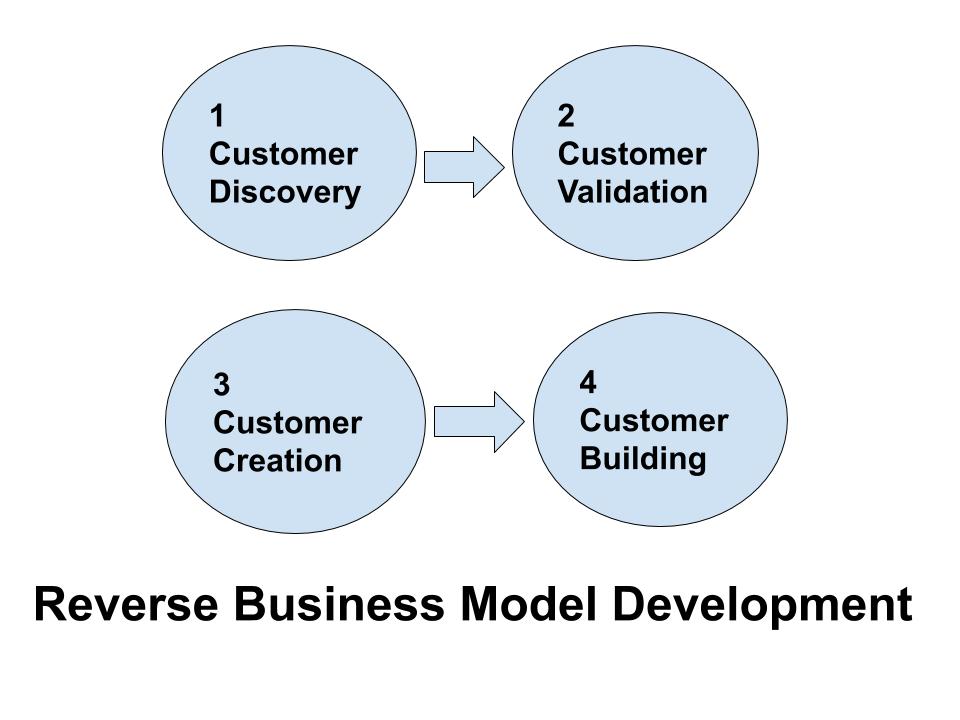
In contrast to the usual product development model, Steve Blank, in his book, “The Four Steps To The Epiphany,” describes his new approach to developing an efficient and effective path to developing a startup with a real chance of success.

The Customer-Centered  Development Model

Most startups lack a process to create, develop, and validate their business. They start by developing the product first because they know its such a great idea. They don’t realize that there are millions of needs and wants in the market, and their view of a need may not match the market’s view of a need or a want.

If you are going to succeed, you can’t be founder-centered; you must be customer-centered.


His model has four steps:

  1. Customer Discovery. Focuses on finding product-market fit by determining if the product solves the customer’s needs and wants.

  2. Customer Validation: Develops a sales model that is repeatable.

  3. Customer Creation: Creates and motivates end-user demand,

  4. Company Building: The move from the learning phase to the business execution phase.


This model flips the “development model” on its head. Rather than developing the product and then finding the market, you do the opposite because it takes several iterations to get it right.. Plus, it’s a frugal way to find out if you have a viable, sellable product. It also keeps you from hiring sales, marketing, and other company development people too early.

Are you preparing your company to meet today’s customer Needs Wants?