Problems are a regular part of business today. When sales drop, customers leave, or projects fall behind, it’s easy to want to fix things right away.
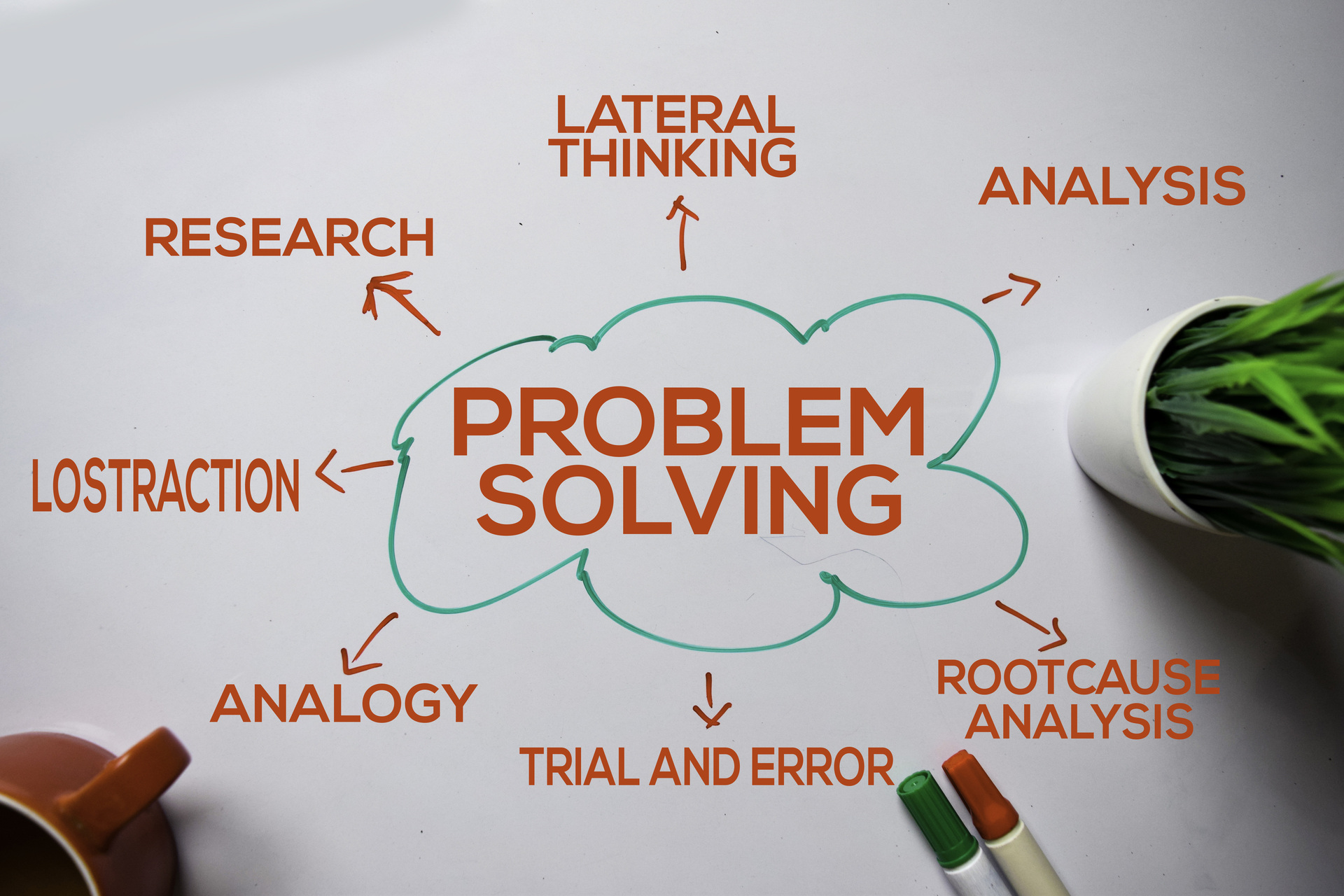
Research and diagnosis serve different purposes. Research helps you gather broad information to understand a topic, while diagnosis focuses on finding the exact cause of a specific problem.
Quick fixes only hide the symptoms, so the real problem stays. To solve issues permanently, start by gathering recent data about the situation. This will give you a clearer view and help you dig deeper to find what’s really going on.
Determining the Root Cause of the Problem
In business and other settings, problems usually don’t happen alone. They often point to something more profound. If you only fix what you see, it’s like treating a cough without finding out what’s causing it.
To solve problems for good and avoid wasting time, focus on finding the root cause by researching and analyzing carefully.
Beyond The Symptoms
Phase 1: Research – Setting the Stage and Understanding the Landscape
Start by making the problem clear. Instead of just saying “sales are down,” use data to describe precisely what’s happening. This step helps you fully understand the challenge before moving forward.
In this first step, data will be collected, and patterns or anything unusual will be looked for. This turns a general concern into a clear problem you can tackle next.
Phase 2: Fault Isolation & Root Cause Analysis – Pinpointing the Core Issue
Now, the process shifts to targeted investigation—fault isolation and root cause analysis. “Fault isolation emphasizes pinpointing a specific failing component within a system, whereas root cause analysis is a broader methodology for identifying the deepest underlying reasons for any problem.
After you research, clearly state what went wrong, when and where it happened, and how serious it is. This will keep you focused on the real problem, not just the symptoms.
Why does this two-step approach matter? Research helps you see the big picture and notice symptoms, while diagnosis lets you dig deeper and find the real cause you can fix.
If you want more information, check out the blog post on this topic.
Cheers, Jim Zitek
I Turn Complex Product Problems Into Creative Solutions With a Competitive Advantage